
The Urban Heat Island Effect: How It Impacts Fire Spread and Investigation Strategies:
Urban environments are known to amplify heat due to the “urban heat island” (UHI) effect—a phenomenon where urban areas experience significantly higher temperatures than their rural surroundings. This occurs because concrete, asphalt, and other man-made materials absorb and retain heat more efficiently than natural landscapes. While the UHI effect contributes to discomfort and increased energy consumption, its impact on fire dynamics is an equally critical concern. The elevated temperatures and unique structural layouts of cities can exacerbate fire spread, posing new challenges for fire safety and investigation.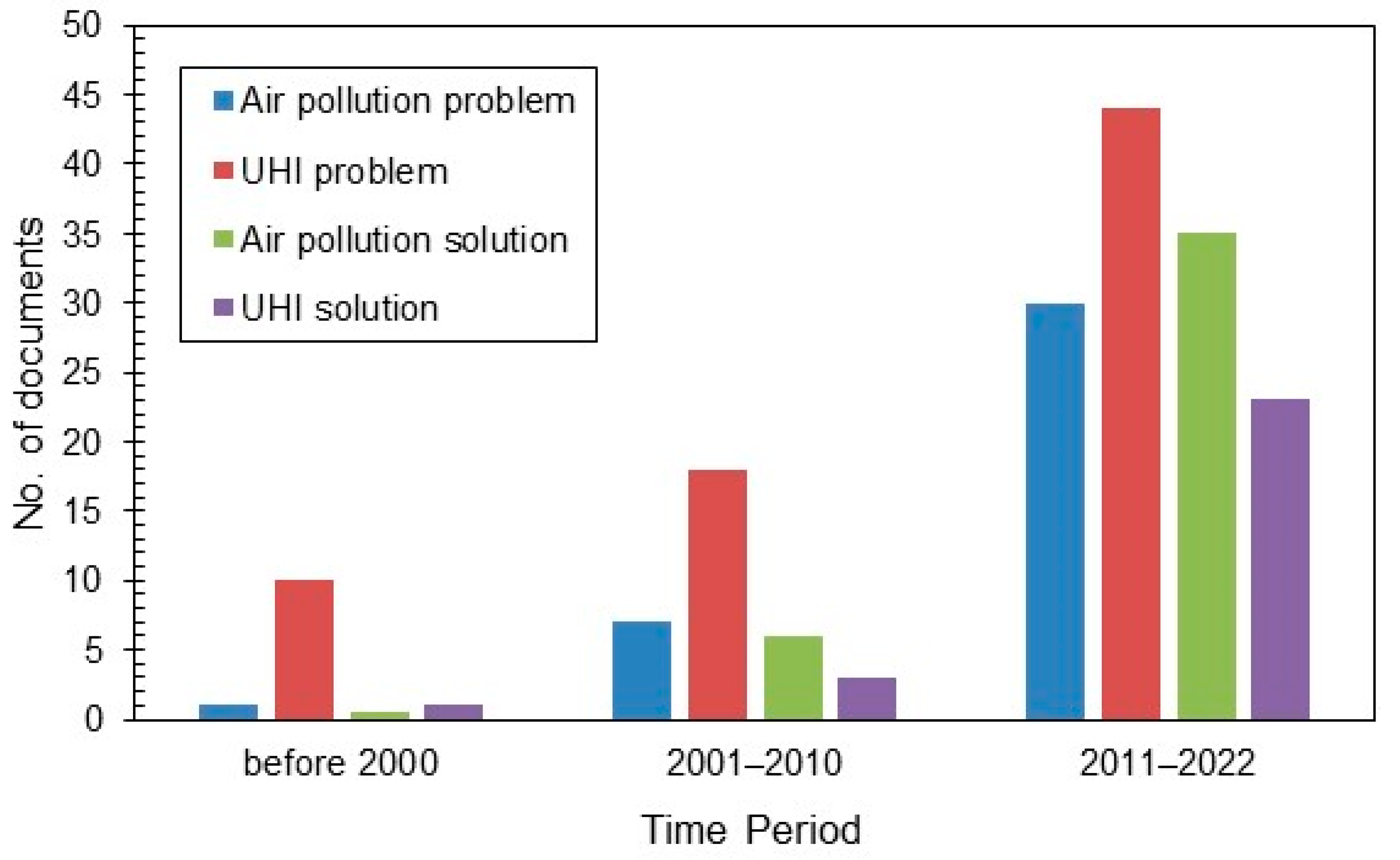
This article examines the relationship between the UHI effect and fire spread, as well as its implications for fire investigation, referencing NFPA 921, Guide for Fire and Explosion Investigations, and NFPA 1033, Standard for Professional Qualifications for Fire Investigator.
The Urban Heat Island Effect and Its Influence on Fire Behavior
The UHI effect is caused by a combination of factors, including reduced vegetation, high building density, and heat-retaining construction materials. In urban areas, temperatures can rise 2 to 5°F (1 to 3°C) higher than in surrounding rural areas. These elevated temperatures influence fire behavior in several ways:
- Faster Ignition: Higher ambient temperatures lower the threshold needed for ignition, making urban areas more susceptible to accidental and deliberate fires.
- Accelerated Fire Spread: Heat retention in urban materials can preheat nearby combustibles, allowing fires to spread more rapidly.
- Increased Fuel Availability: Dense building layouts and the presence of heat-sensitive synthetic materials provide ample fuel sources for fires to sustain and grow.
- Wind Tunnels: Urban structures can create wind corridors that fan flames and accelerate the fire’s spread across multiple structures or zones.
Challenges for Fire Investigators
Urban fires influenced by the UHI effect pose unique challenges for fire investigators. These challenges include:
1. Complex Fire Patterns
The heat-retaining properties of urban materials can create irregular fire patterns, complicating efforts to identify the point of origin. According to NFPA 921, understanding fire patterns is crucial to determining the cause of a fire. However, in urban settings, reflective heat from nearby surfaces or buildings can distort these patterns.
2. Multiple Ignition Sources
Urban environments often feature overlapping ignition risks, from electrical faults to accelerant use. The increased heat levels due to the UHI effect may activate these sources more readily, making it difficult to distinguish between accidental and intentional fires.
3. Structural Damage
In dense urban areas, the structural collapse of buildings can occur more quickly due to preheated materials. Investigators may face limited access to evidence buried under debris.
4. Human Factors
The population density of urban areas increases the likelihood of human interference, either unintentionally disturbing evidence or deliberately altering the fire scene. Additionally, investigators must navigate a higher volume of eyewitness accounts, which can vary in reliability.
Read the following: On the linkage between urban heat island and urban pollution island: Three-decade literature review towards a conceptual framework
Strategies for Investigation in Urban Environments
To address these challenges, fire investigators must adapt their strategies, leveraging advanced techniques and adhering to the guidelines set forth by NFPA 921 and NFPA 1033.
1. Enhanced Scene Analysis
Investigators should employ thermal imaging technology to map residual heat patterns, which can provide clues about fire origin and progression in heat-intense environments. NFPA 921 emphasizes the importance of using technology to complement traditional scene examination methods.
2. Data-Driven Investigations
Urban fire investigations can benefit from data collection tools, such as geographic information systems (GIS), to analyze patterns in UHI-affected areas. Combining environmental data with fire incident reports can help identify trends and potential risk factors.
3. Advanced Laboratory Testing
Fire debris analysis is essential in urban investigations, particularly for detecting accelerants. Modern techniques such as gas chromatography-mass spectrometry (GC-MS), as outlined in NFPA 921, provide precise identification of ignitable liquids in complex environments.
4. Collaboration with Urban Planners
Prevention is critical to mitigating UHI-related fire risks. Fire investigators and urban planners should work together to develop zoning codes and building designs that reduce heat retention, such as using reflective roofing materials and increasing urban greenery.
Closing: A Call for Awareness and Adaptation
The urban heat island effect underscores the interconnectedness of urban planning, environmental science, and fire safety. By understanding how elevated temperatures influence fire behavior, investigators can refine their techniques and adapt their strategies to meet the unique demands of urban environments. The integration of advanced forensic tools and collaborative efforts with urban developers will be crucial for enhancing fire prevention and investigation outcomes in UHI-affected areas.
As cities continue to expand and global temperatures rise, addressing the challenges posed by the UHI effect is not just an investigative priority but also a public safety imperative. By adhering to NFPA 921 and NFPA 1033 standards, investigators and fire safety professionals can ensure that even in the face of rising urban risks, communities remain protected.