
The Impact of Climate Change on Fire Risk and Prevention Strategies
Climate change has emerged as a significant factor influencing the frequency, intensity, and complexity of wildfires worldwide. In this blog, we’ll explore the profound impact of climate change on fire risk and prevention strategies, drawing insights from esteemed fire investigation publications such as NFPA 921, NFPA 1033, and other authoritative sources.
Climate Change and Suppression Tactics are Critical Factors in Increasing Fires, Study Shows
Understanding the Climate-Fire Relationship
NFPA 921: Climate Factors and Fire Behavior
NFPA 921 underscores the intricate relationship between climate factors and fire behavior. As temperatures rise and precipitation patterns shift due to climate change, ecosystems become drier and more susceptible to ignition. 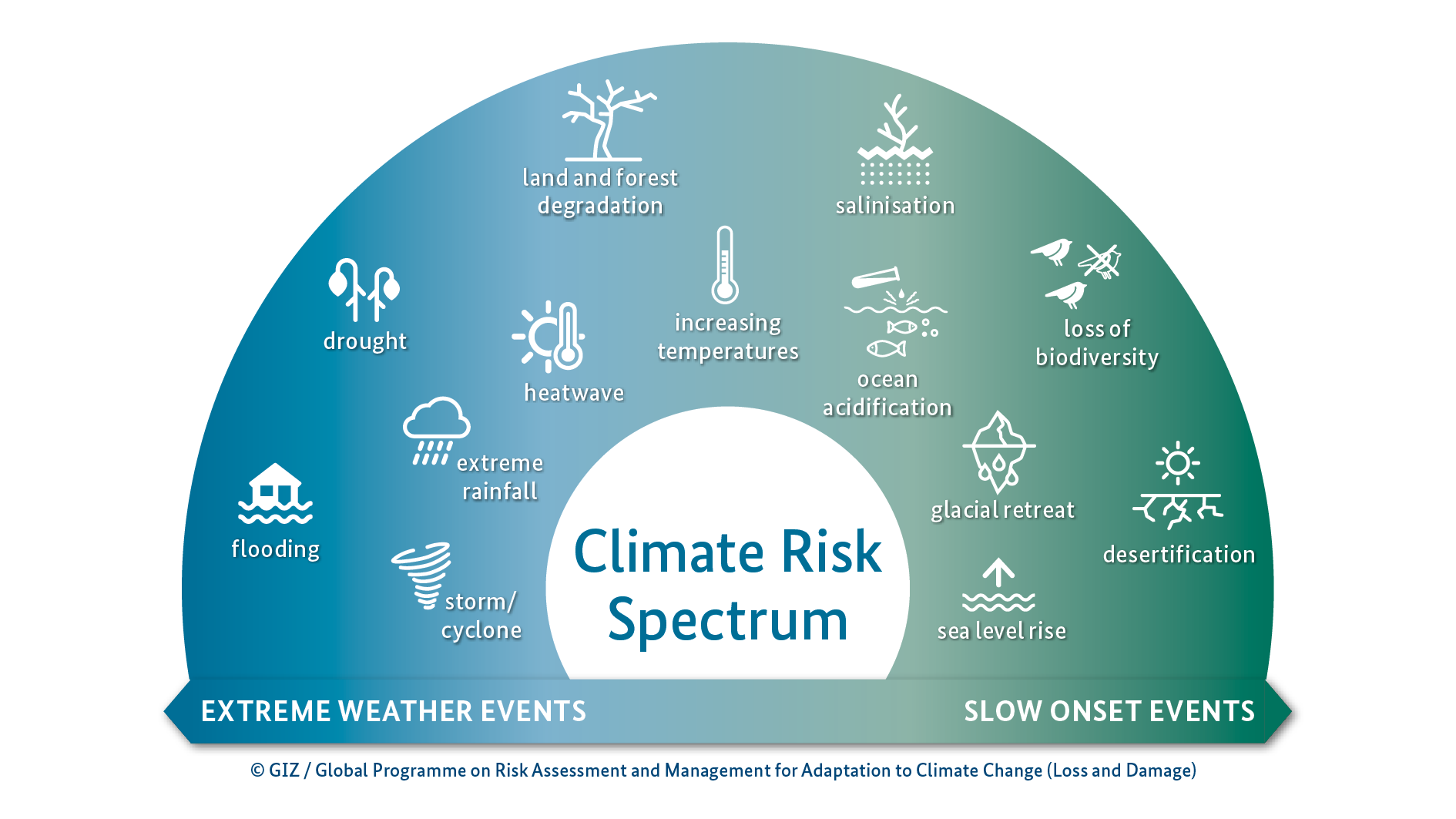 This leads to an increased likelihood of wildfires, which can rapidly escalate in intensity and spread, posing significant challenges for fire suppression efforts.
Changing Weather Patterns and Wildfire Seasons
NFPA 1033: Weather Impacts on Fire Investigations
NFPA 1033 acknowledges the influence of weather patterns on fire investigations. With climate change altering traditional weather patterns, wildfire seasons are becoming more prolonged and unpredictable. In regions prone to wildfires, such as California and Australia, the lengthening of fire seasons exacerbates the risk to communities and ecosystems, necessitating proactive mitigation measures.
Urban Expansion and Wildland-Urban Interface
NFPA Guidelines: Urbanization and Wildfire Risk
Urban expansion into wildland areas, known as the wildland-urban interface (WUI), further complicates fire risk management. NFPA guidelines highlight the challenges posed by WUI areas, where homes and infrastructure are increasingly exposed to wildfire threats. As urban sprawl continues unabated, more communities find themselves at the intersection of human habitation and wildfire-prone landscapes, amplifying the need for comprehensive prevention strategies.
Adapting Prevention Strategies to Changing Conditions
NFPA Standards: Adaptive Fire Prevention Measures
NFPA standards emphasize the importance of adaptive fire prevention measures in response to changing climate conditions. Traditional approaches to fire prevention, such as vegetation management and building codes, must be augmented with climate-resilient strategies. This includes enhancing defensible space around properties, implementing community-wide wildfire preparedness plans, and integrating climate projections into land use planning.
Mitigating Fire Risks Through Collaborative Efforts
NFPA Principles: Collaborative Risk Reduction
Collaborative efforts are essential in mitigating fire risks exacerbated by climate change. NFPA principles advocate for multi-agency cooperation and community engagement in wildfire prevention initiatives.  By fostering partnerships between fire agencies, land management organizations, local governments, and community stakeholders, communities can develop holistic strategies that address the interconnected factors contributing to wildfire risk.
Burning up: Strategies to control wildfires in a changing climate
Investing in Research and Innovation
NFPA Resources: Research and Development
Investing in research and innovation is critical in developing effective responses to the evolving wildfire threat. NFPA resources support research initiatives focused on understanding the complex dynamics of wildfire behavior and developing innovative technologies for early detection and suppression. By leveraging scientific advancements, communities can enhance their resilience to climate-induced wildfires.
In closing:
The intersection of climate change and wildfire risk underscores the urgent need for proactive and adaptive measures to safeguard communities and ecosystems. By acknowledging the profound impact of climate change on fire behavior and prevention strategies, we are better equipped to confront this escalating threat.  As we navigate the challenges posed by changing environmental conditions, collaboration, innovation, and a commitment to evidence-based practices will be essential in building resilience and mitigating the risks of catastrophic wildfires. Together, let us forge a path towards a future where our communities are better prepared, our landscapes are more resilient, and our efforts in fire prevention reflect the urgency of addressing the realities of a changing climate.