
Introduction
Arson remains one of the most challenging crimes to investigate and prosecute. Unlike other offenses, where tangible evidence such as fingerprints or surveillance footage may be readily available, arson cases often involve the deliberate destruction of evidence through fire.
For this reason, fire investigators must rely on expertise, scientific methodologies, and industry standards such as NFPA 921: Guide for Fire and Explosion Investigations and NFPA 1033: Standard for Professional Qualifications for Fire Investigators to determine whether a fire was intentionally set.
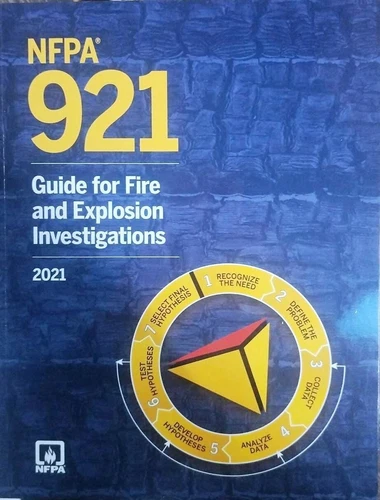
 Recognizing arson requires a deep understanding of fire behavior, burn patterns, accelerant usage, and human motives. This article explores the key signs and indicators investigators use to identify intentional fires, ensuring that fire scenes are thoroughly analyzed, and justice is served.
Key Indicators of Arson
1. Multiple Points of Origin
One of the most common red flags in an arson investigation is the presence of multiple ignition points. Accidental fires, such as those caused by electrical malfunctions or unattended candles, typically have a single point of origin. However, when a fire has ignited in multiple, non-connected areas, it suggests human intervention.
Investigators rely on NFPA 921 to analyze burn patterns and determine whether multiple origins exist. The presence of several distinct burn areas, especially without a logical fire spread path, is a strong indication of intentional ignition.
2. Presence of Accelerants
Accelerants, such as gasoline, kerosene, or lighter fluid, are often used by arsonists to ensure rapid fire spread. Investigators search for indicators of accelerant use, including:
- Burn patterns that suggest unusually fast fire growth
- Pour patterns on flooring materials
- Distinctive odors (which can sometimes still be detected post-fire)
- Residue identified through gas chromatography-mass spectrometry (GC-MS)
NFPA 921 outlines procedures for accelerant detection, emphasizing the importance of collecting fire debris samples for laboratory testing. Canine detection units trained to identify accelerant residues may also assist investigators at fire scenes.
3. Fire Behavior Inconsistent with Reported Events
Eyewitness accounts, surveillance footage, or occupant interviews often help fire investigators piece together the fire’s progression. If the observed fire behavior does not match expected patterns for an accidental fire, it raises suspicion. For example:
- A small electrical short circuit should not result in an explosive, rapidly spreading fire.
- A fire in an unoccupied building without power or heating may indicate suspicious origins.
Investigators use NFPA 921’s fire dynamics principles to analyze how the fire spread, evaluating whether it aligns with natural fire behavior.
4. Lack of an Obvious Accidental Cause
Arson is typically considered when an investigation rules out accidental causes such as:
- Electrical failures (faulty wiring, overloaded circuits)
- Cooking-related fires
- Heating system malfunctions
- Improper candle or smoking material disposal
If an investigator eliminates all possible accidental sources and finds no logical explanation for the fire, arson becomes a primary consideration.
5. Unusual Burn Patterns
Burn patterns are crucial in determining a fire’s cause and spread. Some patterns commonly linked to arson include:
- “Pour Patterns” or “V Patterns”: These occur when an accelerant is poured onto a surface, creating intense burn marks.
- Deep Charring or Low Burn Areas: These may indicate the use of accelerants in places where fire would not normally burn as intensely.
- Unusual Heat Intensity: Higher-than-normal temperatures may indicate the presence of a flammable liquid or accelerant.
According to NFPA 921, burn pattern analysis must be conducted carefully, as environmental factors such as ventilation and fuel load can sometimes mimic arson indicators.
Understanding Motive in Arson Cases
Arsonists set fires for various reasons, and understanding their motives is key to identifying suspects. Common motivations include:
- Financial Gain – Insurance fraud is a frequent motive, where individuals or businesses intentionally set fires to claim payouts.
- Crime Concealment – Criminals may start fires to destroy evidence of other illegal activities, such as burglary or homicide.
- Revenge or Retaliation – Arson is sometimes used as a form of retribution against individuals, businesses, or institutions.
- Vandalism or Thrill-seeking – Some individuals set fires impulsively for excitement, often without a clear target.
- Psychological Disorders – Pyromania is a recognized mental health disorder in which individuals have an uncontrollable urge to set fires.
By identifying a suspect’s motive, investigators can strengthen their case and establish intent, which is critical for arson convictions.
Check out the website below for more infromation on Understanding Motive in Arson Cases:
Investigative Techniques for Arson Cases
1. Scene Documentation and Evidence Collection
Fire investigators must thoroughly document the scene, using photographs, sketches, and 3D laser scanning technology to reconstruct fire spread patterns. NFPA 1033 emphasizes the importance of properly collecting and preserving evidence, including:
- Fire debris samples for laboratory analysis
- Surveillance footage and witness statements
- Burn pattern documentation
- Electrical and mechanical components for forensic testing
2. Collaboration with Law Enforcement
Arson cases require collaboration between fire investigators and law enforcement agencies. Investigators work with forensic experts, insurance adjusters, and detectives to analyze financial records, interview suspects, and gather circumstantial evidence.
3. Fire Modeling and AI-Assisted Analysis
Modern investigators increasingly use fire modeling software and AI-driven fire pattern analysis to simulate fire spread under various conditions. These tools help determine whether a fire behaved naturally or was deliberately set.
Artificial Intelligence tool for fire safety design (IFETool): Demonstration in large open spaces.
Closing
Arson investigations are complex and require a systematic approach guided by scientific principles. By recognizing key indicators—such as multiple points of origin, accelerant use, inconsistent fire behavior, and unusual burn patterns—fire investigators can determine when a fire was deliberately set.
Utilizing NFPA 921 and NFPA 1033 ensures that investigations remain methodical, evidence-based, and legally sound. As technology advances, tools like 3D laser scanning, gas chromatography, and AI-driven fire analysis will further enhance the ability of fire investigators to uncover the truth behind suspicious fires.
Understanding arson motives and patterns not only aids in solving individual cases but also helps in fire prevention efforts, ensuring communities remain protected from the devastating impacts of intentional fires.
SEO Title:
Recognizing Arson: Key Indicators and Fire Investigation Techniques
Meta Description:
Learn how fire investigators identify arson through burn pattern analysis, accelerant detection, and forensic fire modeling. Explore key indicators and investigative techniques following NFPA 921 & NFPA 1033.