
Innovations in Fire Extinguisher Technology: From Foam to Clean Agents
Fire extinguishers are essential tools for combating fires and safeguarding lives and property. Over the years, advancements in technology have led to the development of more effective and environmentally friendly extinguishing agents.  In this article, we’ll explore the evolution of fire extinguisher technology, from traditional foam-based extinguishers to modern clean agents, drawing insights from NFPA 921, NFPA 1033, and other fire investigation publications.
Foam-Based Extinguishers: A Staple in Fire Suppression
Foam-based extinguishers have long been a staple in fire suppression due to their ability to smother fires and cool surfaces, effectively extinguishing Class A and Class B fires. According to NFPA 921, foam exti nguishers are commonly used in settings such as industrial facilities, warehouses, and commercial kitchens. However, traditional foam agents may contain chemicals harmful to the environment, prompting the search for more sustainable alternatives.
Dry Chemical Extinguishers: Versatile and Effective
Dry chemical extinguishers, filled with powdered agents such as monoammonium phosphate or sodium bicarbonate, are highly versatile and effective against a variety of fire classes. NFPA 1033 highlights the importance of proper training in handling dry chemical extinguishers, as improper use can lead to re-ignition or inhalation hazards. While dry chemical agents are effective in suppressing fires, they may leave behind residue that requires thorough cleanup.
Clean Agent Extinguishers: Environmentally Friendly Solutions
Clean agent extinguishers represent the latest innovation in fire extinguisher technology, offering environmentally friendly solutions with minimal residue and no ozone-depleting potential. NFPA standards recommend clean agent extinguishers for protecting sensitive equipment and environments, such as computer rooms, laboratories, and museums. Clean agents, such as halocarbon agents and inert gases, work by interrupting the chemical reaction of the fire without leaving behind harmful residues, making them ideal for use in areas where damage to equipment or artifacts must be minimized.
Advancements in Extinguisher Design and Deployment
In addition to advancements in extinguishing agents, innovations in extinguisher design and deployment have improved the effectiveness and accessibility of fire extinguishers. NFPA guidelines emphasize the importance of proper placement and maintenance of extinguishers to ensure their readiness in the event of a fire. New technologies, such as automatic fire extinguishing systems and portable aerosol extinguishers, offer enhanced fire protection capabilities in various settings.
Fire Extinguisher Design: Innovation and Evolution for Safety
Training and Education: Key to Effective Fire Extinguisher Use
NFPA publications stress the importance of training and education in ensuring the safe and effective use of fire extinguishers. Proper training equips individuals with the knowledge and skills to identify fire hazards, select the appropriate extinguisher, and effectively extinguish small fires before they escalate. 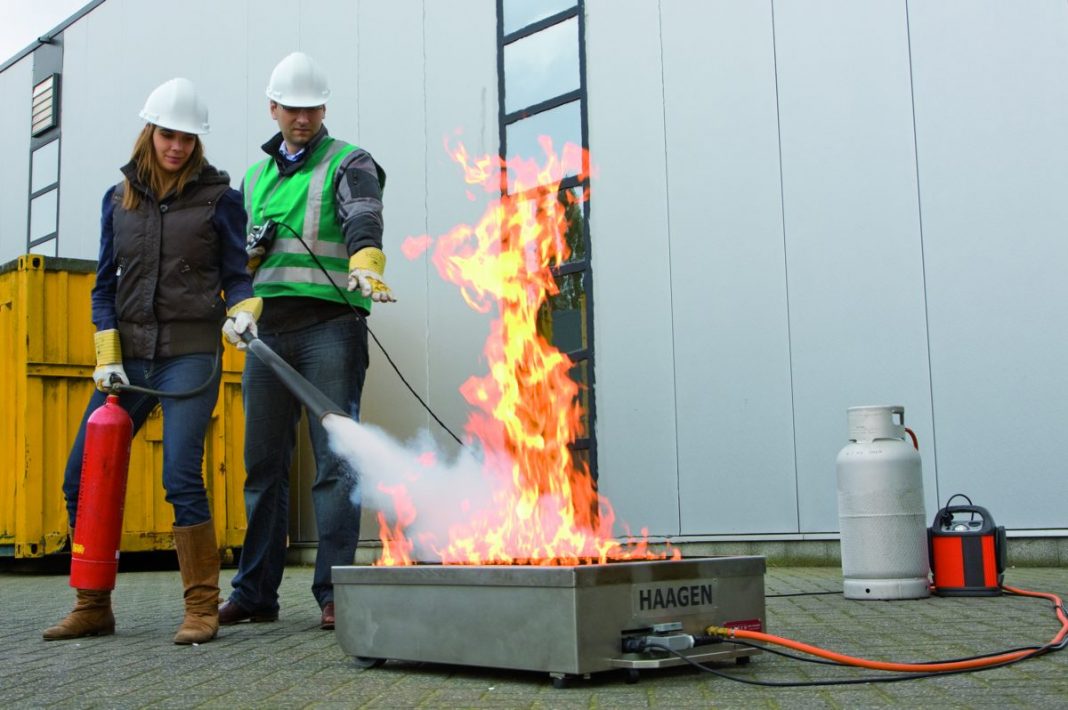 Regular fire drills and hands-on training sessions reinforce these skills and promote a culture of fire safety in homes, workplaces, and public spaces.
Investing in Research and Development
Continued research and development are essential for driving innovations in fire extinguisher technology. NFPA resources support research initiatives focused on improving extinguishing agents, enhancing extinguisher design, and developing new firefighting technologies. By investing in research and development, we can stay ahead of emerging fire risks and ensure that fire extinguishers remain effective tools for fire suppression in the future.
Closing:
In conclusion, innovations in fire extinguisher technology have revolutionized fire suppression capabilities, offering more effective and environmentally friendly solutions for combating fires. From foam-based extinguishers to clean agent systems, advancements in extinguishing agents, design, and deployment have enhanced fire safety across various settings. Through ongoing research, training, and education, we can ensure that fire extinguishers remain reliable tools for protecting lives and property from the devastating effects of fires.