
Harnessing Climate Data in Fire Modeling: Revolutionizing Fire Spread Predictions
Incorporating climate data into fire modeling has become a game-changer in understanding and predicting fire behavior. As climate patterns evolve, wildfires and urban fires alike are increasingly influenced by changing environmental conditions such as temperature, humidity, wind patterns, and precipitation levels. Modern fire modeling software, enhanced with climate data, allows fire investigators, emergency planners, and researchers to predict fire spread with remarkable precision.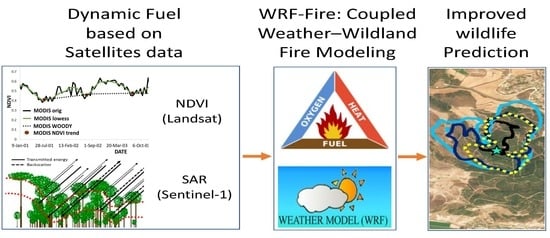
This article delves into how integrating climate data with fire modeling software is shaping fire investigation and prevention strategies. By referencing key standards like NFPA 921 (Guide for Fire and Explosion Investigations) and NFPA 1033 (Standard for Professional Qualifications for Fire Investigator), we explore the growing importance of this innovative approach.
The Need for Climate-Enhanced Fire Modeling
Fire behavior is inherently tied to environmental factors. Changes in atmospheric conditions directly impact ignition, spread, and suppression efforts. The growing frequency of extreme weather events due to climate change has heightened the unpredictability of fires, making traditional modeling methods less reliable.
Why Climate Data Matters:
- Dynamic Inputs: Real-time data such as wind speeds, soil moisture, and temperature gradients refine models for accurate predictions.
- Broader Context: Incorporating seasonal and long-term climate trends helps in understanding fire risks for specific regions.
- Improved Preparedness: Fire models that consider climate data empower emergency responders to design effective evacuation and suppression strategies.
According to NFPA 921, understanding fire dynamics in the context of the environment is critical for accurate fire investigations. Similarly, NFPA 1033 emphasizes the need for investigators to stay updated with emerging technologies and scientific advancements.
Key Components of Climate-Enhanced Fire Modeling
- Integration of Climate Data Sources
Climate data from sources like satellite imagery, weather stations, and atmospheric models are integrated into fire simulation software. Examples include NASA’s Moderate Resolution Imaging Spectroradiometer (MODIS) and NOAA’s climate datasets. - Predictive Software
Advanced tools such as Fire Dynamics Simulator (FDS) and PyroSim are incorporating environmental variables into their algorithms. These tools use climate data to simulate fire spread patterns in various terrains and building environments. As outlined in NFPA 921, using validated modeling software ensures accuracy in both investigative and predictive applications. - Machine Learning and AI
Artificial intelligence analyzes historical climate and fire data to identify patterns. These insights help create predictive models that can adapt to changing weather conditions in real-time. - Real-Time Updates
Live weather feeds from IoT sensors and meteorological services update models dynamically. For instance, sudden shifts in wind direction—a critical factor in wildland fires—can be incorporated into simulations to refine predictions.
Applications of Climate-Enhanced Fire Modeling
1. Wildfire Risk Assessment
Climate data aids in identifying regions prone to wildfires based on drought indices, vegetation density, and wind patterns. By overlaying fire spread models on this data, authorities can create risk maps and prioritize resources accordingly.
2. Urban Fire Dynamics
In cities, climate-enhanced fire modeling helps analyze how the urban heat island (UHI) effect influences fire behavior. Models simulate scenarios where high ambient temperatures and wind corridors exacerbate fire spread, aiding in urban planning and building code enforcement.
3. Firefighter Training and Planning
Predictive simulations enable firefighters to practice real-world scenarios under varying environmental conditions. For instance, they can explore how a fire might behave during a heatwave compared to a rainy season.
4. Post-Incident Analysis
After a fire, models that include climate data provide investigators with a clearer understanding of how environmental conditions may have contributed to its spread. This is particularly relevant when investigating fires in regions affected by extreme weather.
Challenges in Climate-Enhanced Fire Modeling
While climate-enhanced fire modeling offers immense potential, there are challenges to consider:
- Data Quality and Availability
Reliable and region-specific climate data is crucial. Gaps in data can lead to inaccuracies in predictions. - Computational Demand
Modeling complex interactions between fire dynamics and environmental factors requires significant computational power, which can limit accessibility. - Validation of Models
NFPA 921 emphasizes the importance of validation in fire modeling. Ensuring that climate-integrated models produce accurate results under various conditions is an ongoing process.
Closing: A Future Shaped by Data and Collaboration
The integration of climate data into fire modeling represents a crucial step forward in modern fire science. By leveraging these tools, fire investigators, emergency responders, and planners can enhance their understanding of fire behavior in an ever-changing climate. Collaboration across disciplines—meteorology, fire science, and technology—is essential to refine these models and address the challenges posed by increasingly volatile fire events.
As outlined in NFPA 1033, fire investigators must stay informed about emerging technologies, and climate-enhanced fire modeling exemplifies the innovation needed to tackle the complexities of fire behavior today. As climate change continues to influence fire risks globally, adopting such advancements is not just a scientific necessity but a societal imperative.